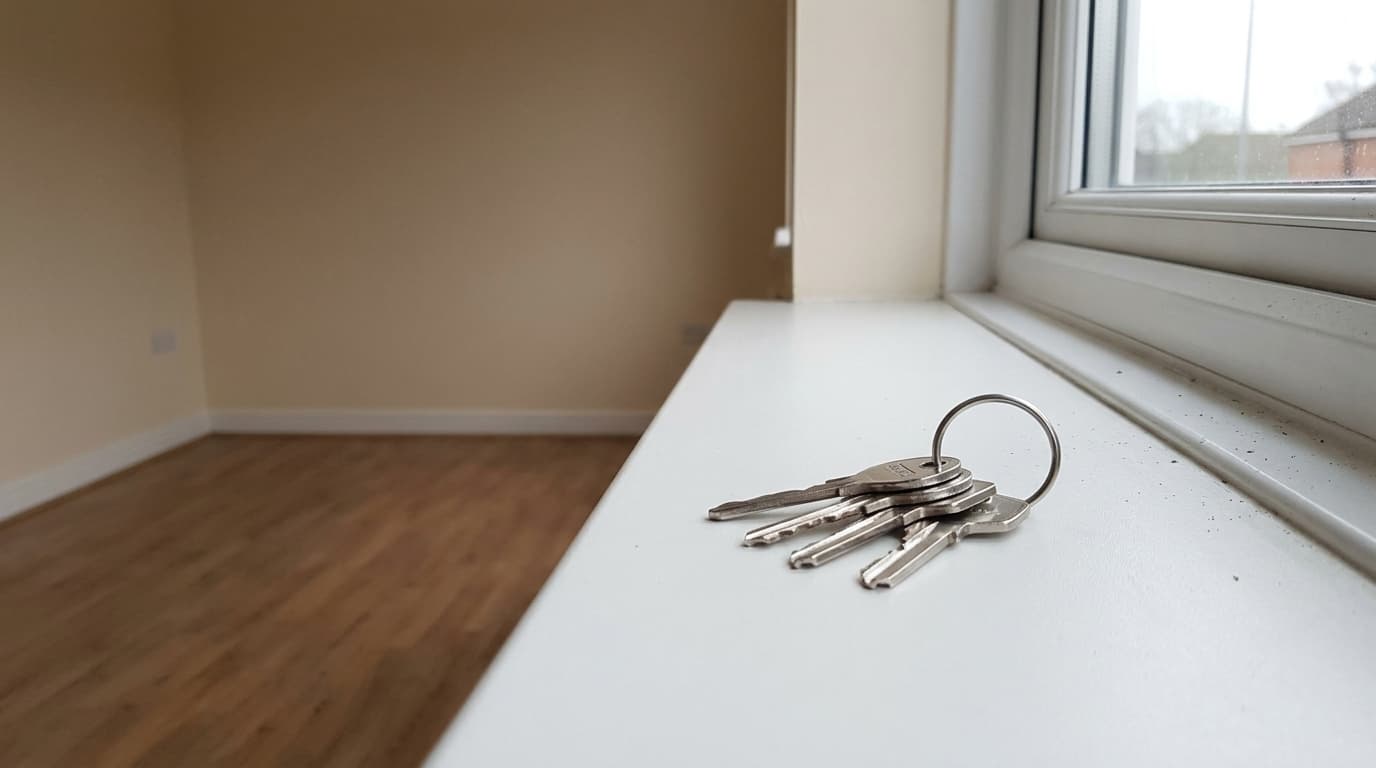
When a tenancy ends, the clock starts ticking. Whether a tenant has left belongings behind, the property needs clearing between lets, or you're preparing for a sale, getting the space cleared quickly and properly is essential. This guide covers everything landlords and letting agents need to know about end-of-tenancy clearance.
What Is End-of-Tenancy Clearance?
End-of-tenancy clearance is the removal of furniture, appliances, personal belongings, and general items left in a property after a tenant moves out. It's also used when landlords want to clear a furnished property to refurbish, re-let, or sell it.
This is different from end-of-tenancy cleaning. A clearance removes items from the property. Cleaning comes afterwards if needed.
Common Situations That Require a Clearance
Landlords and letting agents typically need a clearance in one of these scenarios:
- Tenant has left belongings behind. The most common situation. Tenants move out but leave furniture, clothes, or household items they no longer want.
- Eviction or abandonment. The property is full of the previous tenant's possessions and needs clearing before it can be re-let.
- Furnished-to-unfurnished conversion. You're removing your own furniture to offer the property unfurnished.
- Pre-refurbishment clearance. The property needs stripping out before renovation work begins.
- Preparing for sale. An empty property shows better and typically sells faster.
Your Legal Obligations as a Landlord
Before clearing a tenant's belongings, you need to be aware of your legal responsibilities. In England and Wales, the Torts (Interference with Goods) Act 1977 sets out the rules:
- Give written notice. You must write to the tenant (at their last known address) giving them a reasonable deadline to collect their belongings.
- Allow reasonable time. There's no fixed period in law, but 14 to 21 days is generally considered reasonable.
- Store items carefully. While the notice period runs, you have a duty to look after the items.
- Document everything. Photograph the property and any items left behind. Keep copies of all correspondence.
Once the notice period has passed and the tenant hasn't responded or collected their things, you can arrange the clearance. If in doubt, seek legal advice before proceeding.
How to Organise the Clearance
1. Document the Property
Before anything is removed, photograph every room. This protects you if there's a dispute later about what was in the property and what condition it was in.
2. Separate Anything of Value
If the tenant has left items that appear valuable (electronics, furniture in good condition), set these aside. You may be able to offset clearance costs by selling them, or the tenant may still claim them.
3. Book a Professional Clearance
For speed and reliability, a professional end-of-lease clearance service is usually the best option. The team handles all the heavy lifting, loading, and removal, often on the same day. This is significantly faster than trying to arrange skip hire and doing it yourself.
When choosing a clearance company, look for:
- Same-day or next-day availability
- Upfront, volume-based pricing with no hidden fees
- A team that can handle everything from single rooms to full properties
- Responsible handling of items (recycling and donation where possible)
4. Arrange Cleaning Afterwards
Once the property is cleared, book a professional clean if needed. Doing the clearance first means cleaners can access every surface and the property is ready to photograph, list, or hand over.
Cost of End-of-Tenancy Clearance
End-of-tenancy clearance costs depend on the volume of items to be removed. A single room of furniture will cost less than a full property clearance. With our service, pricing is based on how much space the items take up in the van, and you get a clear price before any work starts.
For detailed pricing information, see our guide to house clearance costs.
If you're weighing up doing it yourself with a skip versus hiring a clearance team, our house clearance vs skip hire comparison breaks down the pros and cons.
Can You Deduct Clearance Costs from the Deposit?
If a tenant has left the property in a condition that requires clearance and this goes beyond normal wear and tear, you may be able to make a claim against their deposit. To do this:
- Ensure the tenancy agreement covers the tenant's responsibility to remove belongings
- Have photographic evidence of the property's condition
- Keep receipts and invoices for the clearance
- Follow the deposit scheme's dispute process if the tenant challenges the deduction
Clear documentation makes deposit disputes much easier to resolve in your favour.
Minimising Void Periods
Every day a property sits empty costs money. The faster you can clear, clean, and re-let, the less rental income you lose. Here's how to keep the turnaround tight:
- Book the clearance as soon as the tenant leaves. Same-day clearance is available for urgent situations.
- Line up cleaning and any repairs. Have tradespeople ready to follow the clearance team.
- Photograph and list quickly. Once the property is clear, get it online.
With the right approach, a property can go from tenant departure to market-ready in a matter of days rather than weeks.
Why Landlords Choose Professional Clearance
Many landlords start by considering doing the clearance themselves or hiring a skip. But the reality of hauling furniture down stairs, loading it, and making multiple trips to the tip usually makes professional clearance the more practical choice, especially when time is money.
Our end-of-lease clearance service is designed for exactly this situation. We turn up on your schedule, clear the property efficiently, and leave it ready for the next step. Transparent pricing, no call-out fees, and same-day availability when you need it. If you're a letting agent or estate agent looking for a reliable clearance partner, our guide for property professionals explains how we work with agents.